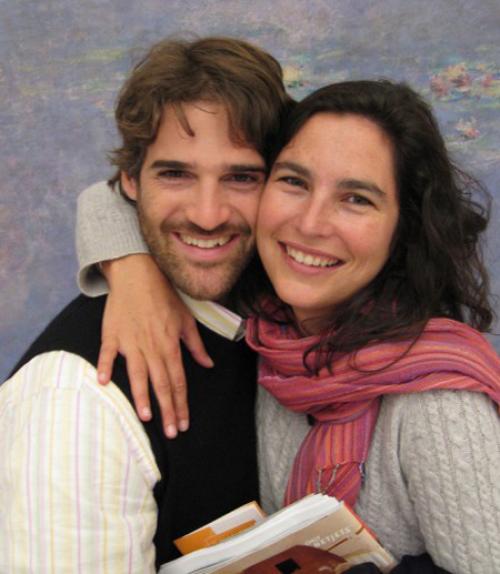
Pulitzer Prize-winning alum pens book about adventures in love and work
Jeffrey Gettleman said Cornell allowed him to explore his "million interests."
 Department Homepage
The College of Arts & Sciences
Department Homepage
The College of Arts & Sciences
Jeffrey Gettleman said Cornell allowed him to explore his "million interests."

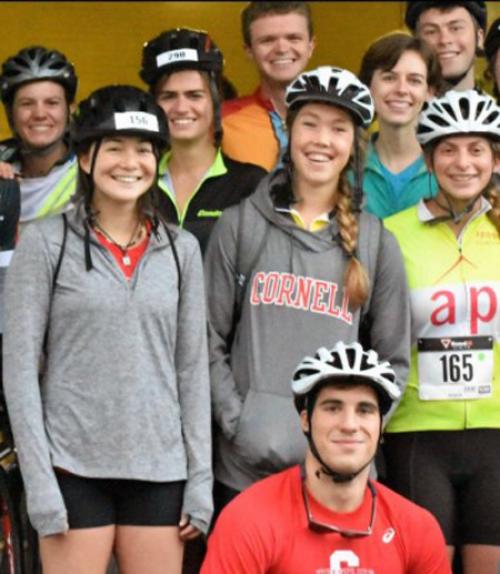
Cornellians on wheels were a big part of the Southern Tier AIDS Program’s 19th Annual AIDS Ride For Life Sept. 9.
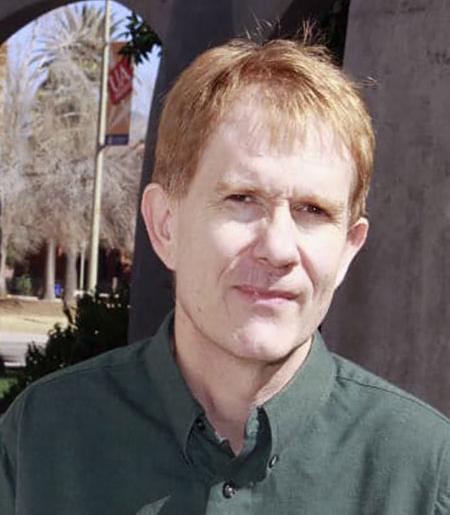
Distinguished Professor of Arts & Sciences in Philosophy
Department Chair
Philosophy, Psychology
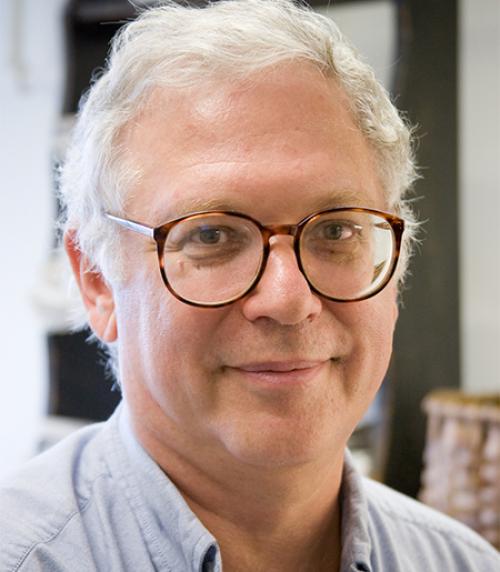
Richard Miller, the Hutchinson Professor in Ethics and Public Life in the Sage School of Philosophy, writes in this Washington Post op-ed that understanding the philosophy of libertarianism provides a basis for abandoning libertarianism.
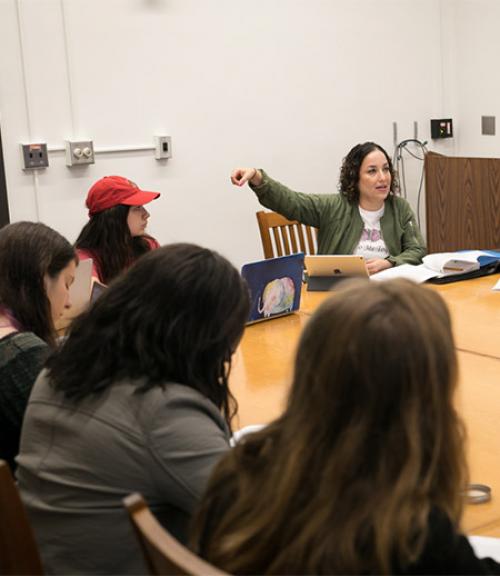
Faculty in the College of Arts & Sciences are exploring questions about recent events in their research and scholarship, and students have the opportunity to engage with their expertise through numerous courses this Spring relevant to our current national climate.
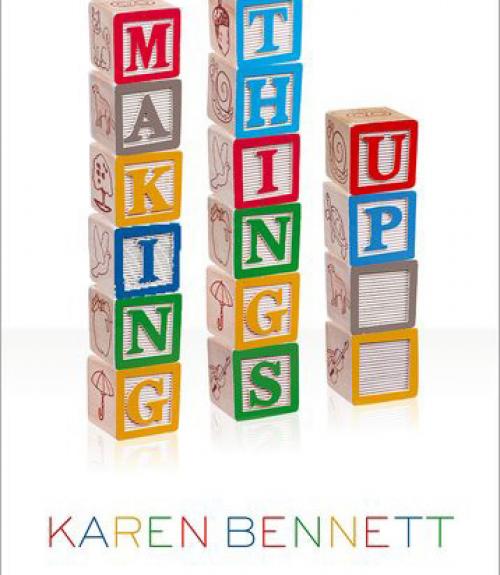
How does the “big” get built up from the “small”? How do belief and thought in a brain emerge from subatomic particles? In her new book, “Making Things Up,” philosopher Karen Bennett tackles the question of how fundamental things determine or generate less fundamental things, and what it all means.
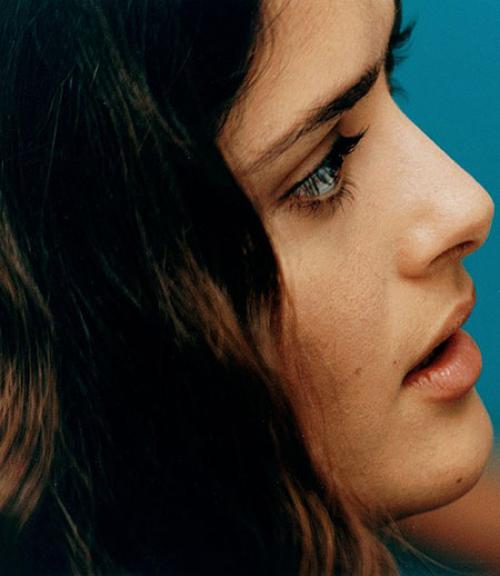
Cornell philosopher Kate Manne, author of "Down GIrl: The Logic of Misogyny," explains in this Newsweek editorial why powerful men get away with abusing women for decades, such as Salma Hayek's treatment from Harvey Weinstein.
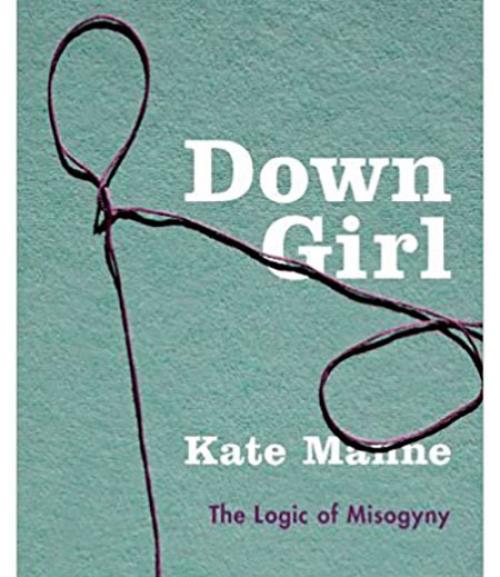
Why do the patterns of misogyny persist, even in supposedly post-patriarchal parts of the world, like the U.S.? asks Kate Manne in her timely book, “Down Girl: The Logic of Misogyny.”

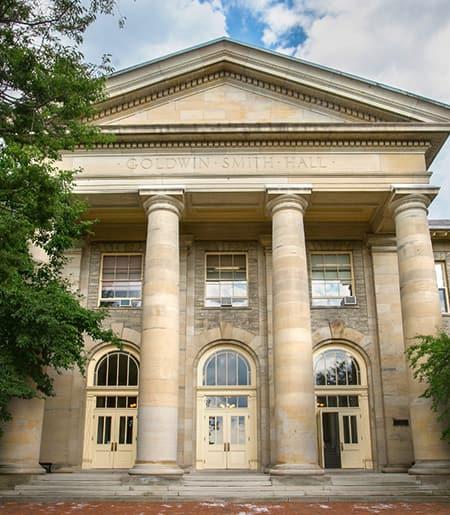
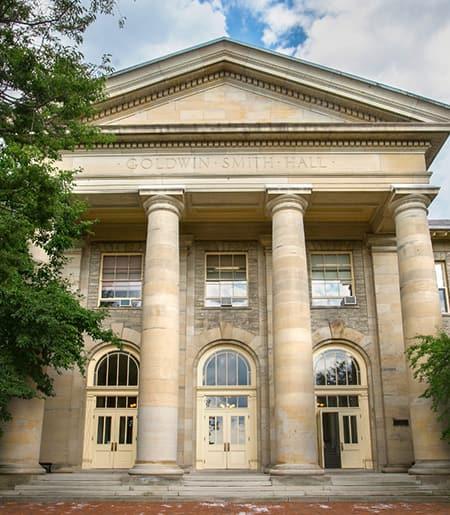
A semester-long, in-depth series of lectures on “The Difficulty of Democracy: Challenges and Prospects,” hosted by the College of Art and Sciences’ Program on Ethics and Public Life (EPL), features six eminent social scientists and will take place in Hollis E. Cornell Auditorium, Goldwin Smith Hall, followed by a question-and-answer period.

Twenty-five hundred years after they were written, Plato’s dialogues continue to yield insights that resonate with current philosophical discussions. In her new book, “Plato’s Moral Psychology: Intellectualism, the Divided Soul, and the Desire for Good,” Rachana Kamtekar, professor of philosophy, examines Plato’s approach to human motivation.
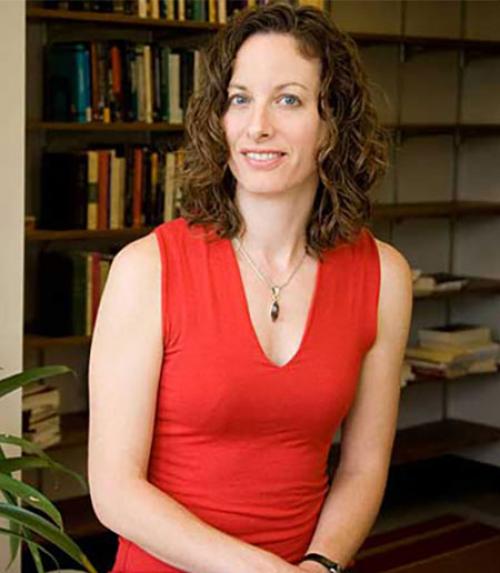
Metaphysics includes big, abstract questions about the nature of reality that can’t be fully answered or investigated empirically: questions about whether or not we have free will and the nature of consciousness; about how objects or people persist through time. Are we the same people as we were as babies? Is a table the same if you inscribe your name into its surface? And what about causation, which is so central to our thinking, on what terms does one event cause another?
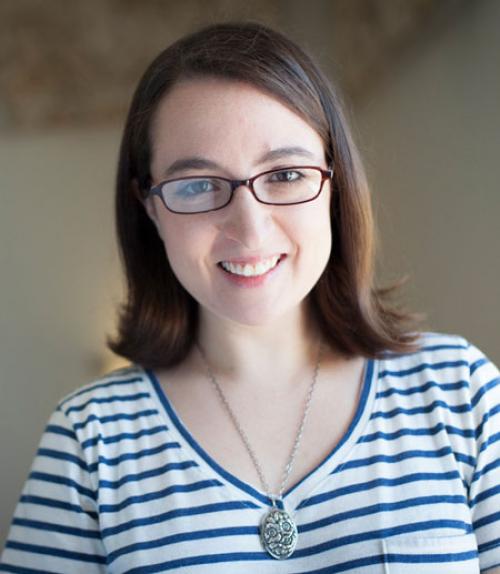
The #MeToo movement seems to have sparked a sea change in how we think of sexual harassment. But in this Academic Minute, Kate Manne, assistant professor of philosophy, discusses why our attitudes are still not where they need to be. She is the author of the recently published “Down Girl: The Logic of Misogyny.”
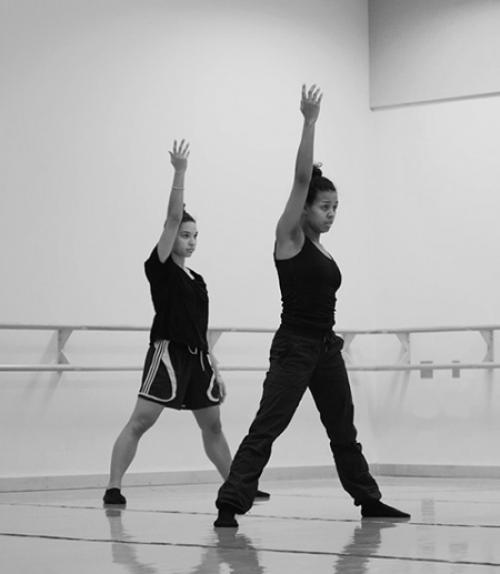
The Department of Performing and Media Arts (PMA) will present the 2018 Locally Grown Dance concert March 1-3 at the Schwartz Center for the Performing Arts on the Kiplinger Theatre mainstage. Performances begin at 7:30 p.m. nightly.
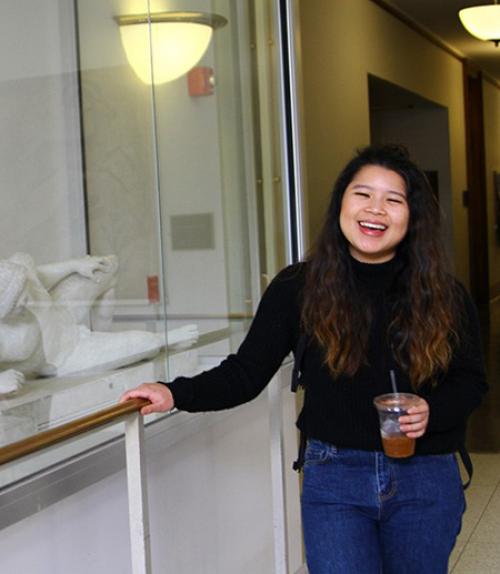
Finding life balance is a quest that junior Kylie Long, an aspiring radiologist, appreciates.Her pathway of learning and discovery at Cornell has led her to pursue the humanities along with the sciences and to study ancient texts as well as conduct stem cell research. She asks life’s big questions, while also getting down-to-earth at a local potting studio. She likes quiet meditation as well as using her voice to blog about self-care.
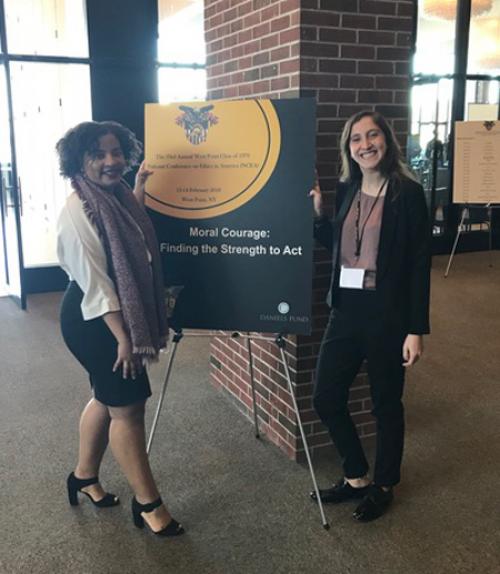
Two Cornell students were chosen to participate in the West Point National Conference on Ethics in America last month based on essays they submitted and a recommendation from Cornell’s Program on Ethics & Public Life.

Why do many Americans, especially white rural Americans, distrust the federal government? Can liberal and conservative Americans find common ground despite such divides? In the final lecture in the “Difficulty of Democracy” series of the Program on Ethics and Public Life (EPL), sociologist Arlie Hochschild will discuss her New York Times bestseller, “Strangers in Their Own Land: Anger and Mourning on the American Right.” Her lecture, “Anger at Government vs.
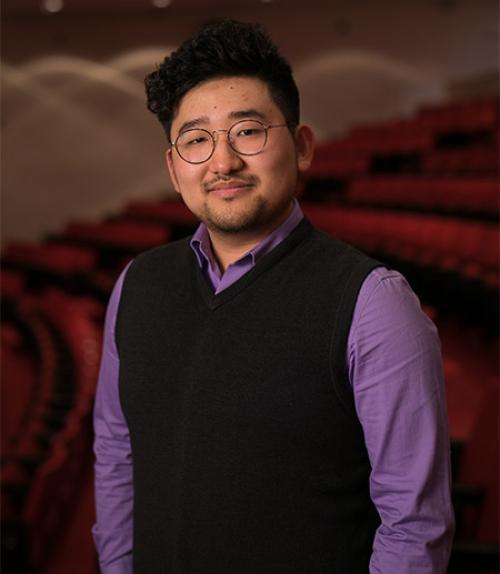
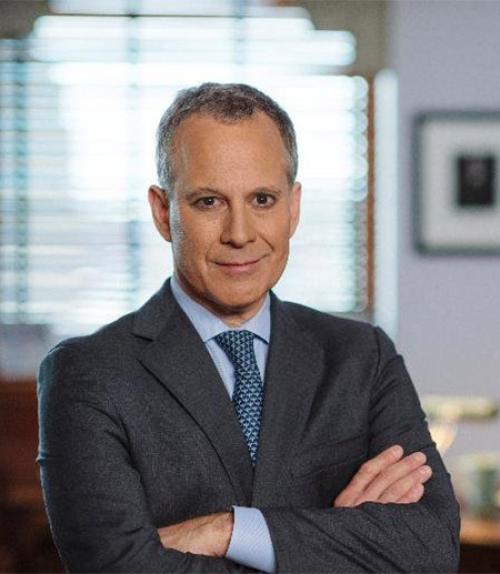
In this New York Times opinion piece, Kate Manne, assistant professor of philosophy, explores the allegations against the former New York attorney general and the false labeling of his alleged assaults as "choking."
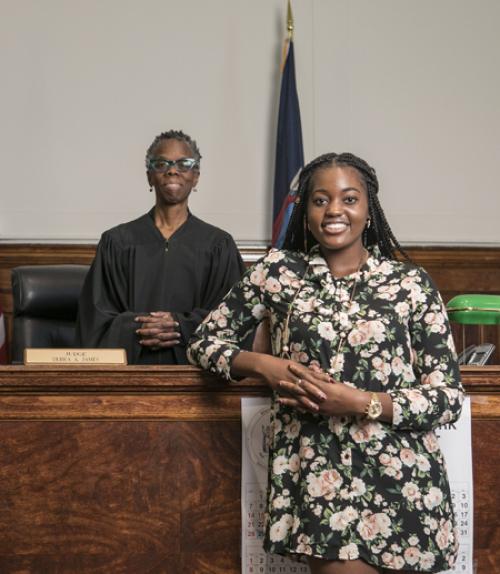
Cornell’s Prelaw Program in New York City includes a three-week class followed by an internship.
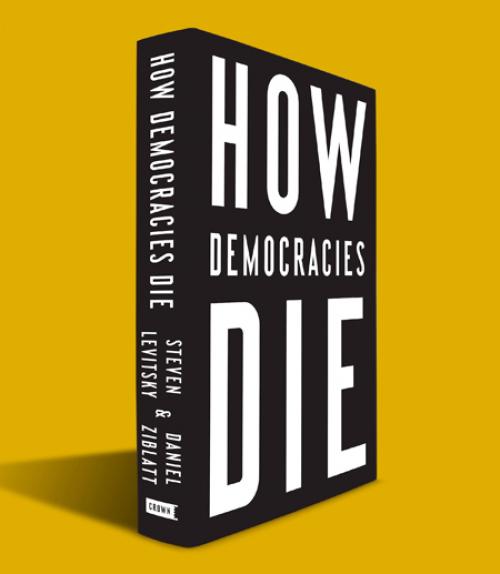
“Politics and Justice in the Era of Donald Trump” will be explored in a lecture series at Cornell featuring eminent social scientists, beginning with Daniel Ziblatt (Harvard University) on Sept. 12. The co-author of “How Democracies Die” will speak on dangers to democracy.